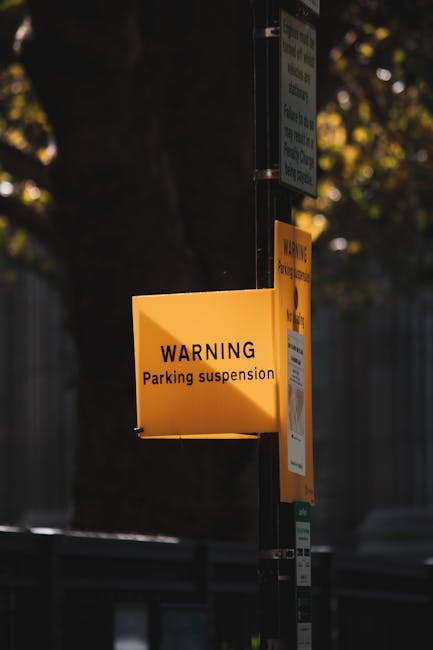
Shadwell parking suspensions and removal permit rules
Posted on 06/07/2026
Shadwell parking suspensions and removal permit rules: a practical guide for smoother moves
If you are planning a move in Shadwell, the parking side of things can bite harder than the lifting. Shadwell parking suspensions and removal permit rules are not just admin details; they decide whether your van can stop near the door, whether a bay is usable on move day, and whether your team spends half the morning circling the block. That is the difference between a calm start and a slightly chaotic one, with boxes waiting on the pavement and someone checking the clock every two minutes.
In this guide, we break down how parking suspensions and removal permits usually work in a real Shadwell move, why they matter, what to check before booking a vehicle, and how to avoid the common mistakes that cause delays. We will also cover a simple step-by-step approach, a useful comparison table, and a checklist you can use on the day. If you are trying to keep the move low-stress, this is the stuff that genuinely helps.
Why Shadwell parking suspensions and removal permit rules matter
Parking in Shadwell is rarely as simple as it looks on the map. Streets can be tight, loading space can be limited, and a bay that is free at 8 a.m. may be suspended by lunchtime. For removals, that matters a lot. A suspended bay can stop another vehicle from using the space, while a permit or temporary parking arrangement can help you load close to the property. Without that planning, even a straightforward flat move can become a long carry from the corner. And on a rainy London morning, nobody wants that.
These rules also matter because removal jobs are time-sensitive. A delay at the kerb can ripple through the rest of the day: lift bookings, landlord handovers, cleaning slots, or even a same-day reschedule. If you have already been juggling keys, boxes, and a slightly overfull hallway, the last thing you need is a parking issue that could have been avoided.
There is also a cost angle. Missed timing, extra labour, or parking penalties can all add up. That is why we always suggest treating parking as part of the move plan, not an afterthought. If you want a broader sense of how local moves are planned, our guide on turning house moving into a stress-free adventure is a useful companion read.
Expert summary: In Shadwell, the best move plan is rarely the one with the biggest van. It is the one that matches the parking situation, the access route, and the timing window as closely as possible.
How Shadwell parking suspensions and removal permit rules work
The basic idea is simple: if a parking bay or loading space is needed for works, deliveries, or removals, it may be restricted, suspended, or managed under local parking controls. In practice, this means checking whether the street is controlled, whether there are time limits, whether a suspension is in place, and whether your vehicle can legally stop there long enough to load or unload.
For removals, there are usually three moving parts to think about:
- Parking suspension: a temporary restriction that stops parking in a specific bay or stretch of road.
- Removal permit or parking permission: the arrangement that allows a removal vehicle to use the space, where applicable.
- Loading or waiting rules: the local restrictions that decide how long a vehicle can stop and what kind of activity is allowed.
That sounds dry, but on the ground it is pretty straightforward. If the property sits on a busy street, you may need to arrange access in advance. If the street is already tight, you may need to choose a smaller van, an earlier start, or a different loading point. In some cases, a removal team may recommend a route near a less congested road and carry items across a short distance rather than risk blocking traffic.
One especially useful point: do not assume that a free bay means a usable bay. If there is a suspension notice, suspended bay markings, or a restriction in force, the space may not be available even if it appears empty. That catches people out more often than you might think.
For a closer look at access planning near local routes, you may also find our removals near Shadwell Station guide helpful when you are deciding the best time of day to move.
Key benefits and practical advantages
Sorting out parking and permit rules properly gives you more than just compliance. It makes the whole move feel less frantic. Here is what tends to improve when the parking plan is right.
- Shorter loading times: the van can get closer, so fewer trips are needed.
- Less lifting distance: helpful for heavy furniture, awkward boxes, and fragile items.
- Lower stress: no last-minute panic about where to stop.
- Better timing: easier to work within lift bookings, handover slots, or office windows.
- Reduced risk of fines or disputes: because the vehicle is using the right space at the right time.
There is a real human benefit too. When the van is parked properly, everyone settles. The team knows where to work from, the client knows what is happening, and the move does not feel like a scramble. To be fair, that calm atmosphere is worth quite a lot on moving day.
Another practical advantage is route control. If you know in advance that a particular road is heavily restricted, you can choose better arrival timing, avoid peak congestion, and plan the sequence of loading. That is especially useful for larger homes or awkward access jobs, like those described in our narrow-gap moving tips for The Highway.
Who this is for and when it makes sense
This topic matters for almost anyone moving within or into Shadwell, but some people need to think about it more urgently than others.
You probably need to pay close attention if you are:
- moving from a flat with limited street access;
- booking a man and van for a tight time slot;
- using a larger removal vehicle for a family house move;
- moving into an area with controlled parking or loading restrictions;
- arranging a business relocation with fixed office hours;
- dealing with bulky furniture, a piano, or multiple floors;
- working to a same-day deadline.
Student moves are another common example. They often look simple on paper, but the combination of boxes, short notice, and awkward parking can make things messy fast. If that sounds familiar, student removals in Shadwell may be a useful service page to review alongside your parking plan.
It also makes sense to think about parking rules even when the move is small. One sofa, one bed, one washing machine - those items can still be a pain if the van has to stop far away. As anyone who has wrestled a mattress down a narrow stairwell will tell you, the distance matters. Quite a lot.
Step-by-step guidance
Here is a practical way to approach Shadwell parking suspensions and removal permit rules without overcomplicating the job.
- Check the property access first. Look at the street width, bay markings, turning space, and any obvious loading restrictions.
- Match the vehicle to the access. A smaller van can be the smarter choice where space is tight. Bigger is not always better.
- Decide whether a suspension or permit may be needed. If the move needs a bay reserved or the road space kept clear, plan for that early.
- Allow more time than you think. Parking issues can slow even a well-organised team, especially in busy parts of London.
- Keep documents and confirmations handy. If any parking arrangement is approved, store the details where the driver can check them quickly.
- Brief everyone involved. Make sure the movers, the client, and anyone meeting the van know the stop point, access route, and timing.
- Have a fallback. If the space is blocked, know the nearest alternative loading point before the van arrives.
If you are packing at the same time, this is where good preparation saves the day. A move with labelled boxes, clear walkways, and fewer loose items is easier to load quickly. Our packing smarter guide goes into that in a lot more detail.
Here is the short version: plan the parking first, then plan the lifting, then plan the order of the rooms. In real life, that sequence works better than trying to improvise once the van is already on the street.
Expert tips for better results
These are the little details that tend to separate a smooth removal from an annoying one.
- Check the street twice. A bay can look available in the morning and be reserved later. Timing matters.
- Book earlier for weekday daytime moves. Busy periods usually need a stronger access plan.
- Think about the weather. Wet pavements, heavier bags, and slower handling all make parking proximity more valuable.
- Keep a buffer for residents and delivery traffic. Shadwell is not the place to assume the kerb will stay clear for long.
- Use the smallest practical vehicle. If the property and item list allow it, a tighter van can be easier to position.
- Separate essentials. Keep tools, keys, and paperwork easy to reach. No one wants to rummage through a bag of chargers and snacks while a driver is waiting.
For larger furniture, planning also helps protect the item itself. If a sofa has to be carried further than expected, it is more likely to get scuffed on a wall, a stair rail, or a doorway corner. Our piece on sofa storage and protection tips is useful if you are moving bulky seating or storing it between addresses.
A small but important tip: do not leave parking decisions until the morning of the move. That is when people start saying things like, "Surely there'll be space." Famous last words, really.
Common mistakes to avoid
Most parking-related moving problems come from a handful of repeat mistakes. The good news is they are easy to avoid once you know what to look for.
- Assuming a free space is legal to use. Empty does not always mean available.
- Forgetting temporary restrictions. Roadworks, events, or local works can change the situation quickly.
- Choosing a vehicle before checking the road. A bigger van can become a liability in tight streets.
- Not leaving time for loading delays. Lifts, stairwells, and awkward furniture add minutes fast.
- Moving heavy items without a clear route. That can create avoidable safety issues.
- Ignoring bulky or awkward items. A piano or large wardrobe needs a different approach than a box of books. A very different one.
DIY lifting is where many moves start to go sideways. If you are tempted to save time by carrying heavy items yourself, it is worth reading the science of lifting heavy objects solo before you make that call. And if the item is especially awkward, like a piano, our piano moving safety guide is a better route than winging it.
Tools, resources and recommendations
You do not need a huge toolkit to manage parking and removal rules well, but a few simple things make a real difference.
- Site notes: write down the exact stop point, access route, and any gate or buzzer details.
- Phone photos: useful for checking bay markings or sharing the street layout with the mover.
- Room-by-room inventory: helps match the van size to the job.
- Labels and markers: helpful when the van is parked a little further away than planned.
- Flexible moving window: the more room you have to adjust, the easier it is to work around parking limitations.
It can also help to use related moving resources while you plan. For example, decluttering before a move reduces the number of trips and often cuts the time the vehicle needs to stay parked. Fewer items, fewer headaches. Simple as that.
If you are comparing moving support options, these pages may help you shape the rest of the job:
- man with a van in Shadwell
- man and van support for local moves
- removals in Shadwell
- packing and boxes in Shadwell
- storage in Shadwell
Law, compliance, standards, or best practice
Parking suspensions and removal permit rules sit inside a broader framework of local parking controls, traffic management, and safe loading practice. The exact details can vary by street and situation, so it is wise to treat any move as a local compliance task rather than a guess-and-hope job.
Best practice usually means:
- checking the relevant street restrictions before booking the van;
- allowing enough time for approval or arrangement where needed;
- making sure the vehicle stops only where it is allowed to stop;
- avoiding obstruction to pedestrians, neighbours, and emergency access;
- keeping the move as safe and efficient as possible for everyone involved.
There is also a general duty of care angle. A removal operator should avoid unnecessary risk to staff, customers, and property. That includes sensible lifting, proper route planning, and using the right vehicle for the access available. Our health and safety policy and insurance and safety information are worth reviewing if you want to understand how a professional outfit should approach that side of the job.
As a rule, if a parking arrangement sounds uncertain, get it checked early. It is much easier to adjust a booking than to rescue a van that has arrived at the wrong place at the wrong time.
Options, methods, or comparison table
Different moving jobs call for different parking strategies. Here is a simple comparison to help you choose the right approach.
| Option | Best for | Pros | Watch-outs |
|---|---|---|---|
| Standard on-street parking | Small, flexible moves with easy access | Quick and simple when space is available | Not reliable in busy or restricted streets |
| Parking suspension | Moves needing a guaranteed space near the property | Reduces loading distance and delays | Needs planning and timing discipline |
| Temporary loading stop | Short jobs with light to moderate items | Practical for quick drop-off or collection | Often limited by time and local restrictions |
| Smaller van plus remote carry | Tight streets or awkward access | Better manoeuvrability and less stress on narrow roads | More carrying distance, so it needs good coordination |
In many Shadwell streets, the best option is not the most obvious one. A slightly smaller van with a cleaner loading point can outperform a large van that blocks the road and wastes time. That sounds obvious now, but people still get caught out by it all the time.
Case study or real-world example
Here is a realistic example based on the sort of move people often do in Shadwell.
A couple are moving from a second-floor flat near a busy road into a narrower street nearby. They have a sofa, a double bed, a dining table, and several boxes. At first, they assume the van can stop outside the building for as long as needed. On the day, though, the closest bay is already in use, and the street gets busier after 9 a.m.
Instead of trying to force the original plan, they adjust the load time, use a smaller van, and position it where the access is legal and stable. The movers carry items in a controlled sequence: bed frames first, then the sofa, then boxes last. It takes a bit of coordination, but the whole job finishes without drama.
What made it work? Not luck. Just realistic parking planning, a flexible arrival window, and a van size that matched the street rather than the wish list.
If the move includes larger items, route planning becomes even more important. For instance, our guide to bed and mattress relocation planning is a good example of how access and item handling should be thought about together, not separately.
Practical checklist
Use this before move day. It keeps the parking question from becoming a last-minute scramble.
- Have I checked the street restrictions for the exact address?
- Do I know whether a suspension, permit, or loading arrangement is needed?
- Have I chosen a van size that fits the street and the property access?
- Is the loading point close enough to keep carrying manageable?
- Do I know the best arrival window for traffic and access?
- Have I told everyone involved where the vehicle should stop?
- Are my keys, paperwork, and contact details ready?
- Have I identified a backup loading point if the first one is blocked?
- Are fragile and heavy items packed for quicker handling?
- Have I checked whether any bulky items need extra care or a separate plan?
A final little note: if you are still decluttering, do that before the parking plan is fixed. It is one of those small decisions that saves time later. Less stuff means less loading stress, and less loading stress means a much better day.
Get a free quote today and see how much you can save.
Conclusion
Shadwell parking suspensions and removal permit rules are not glamorous, but they are one of the biggest reasons a move feels easy or messy. Get them right, and everything else becomes simpler: the van gets closer, the lift is shorter, the team works faster, and the whole day feels more under control. Get them wrong, and even a small move can turn into a long, tiring slog.
The smartest approach is always the same: check the street, match the vehicle to the access, keep a realistic timeline, and allow for a backup plan. That is how local moves stay calm, even when the street is busy and the weather is doing its usual London thing.
In the end, good moving is mostly good planning. A little care at the start saves a lot of bother later, and that is never a bad trade.