Man with van in Shadwell

Our man with van in Shadwell service is designed for straightforward local moves, careful item transport and practical help when you need more than a car but less than a full-scale removals operation. We focus on moving household items, boxed belongings, single pieces of furniture and mixed loads with an approach that suits flats, maisonettes, shared homes and small business premises. If you need support with loading, carrying and transport in one organised visit, this is the core service to consider.
We also make it easier to handle jobs that are awkward to fit into a normal day. A sofa collected from one address, a few heavy wardrobes moved upstairs, or the contents of a studio taken across the area all call for sensible planning rather than guesswork. For many customers, the value lies in having a vehicle and lifting help together, so the move can be managed in one sequence instead of several separate trips. Pricing and quotes can help you compare the likely cost factors before you decide how much support you need.
That flexibility is useful when the load does not justify a larger lorry, yet still needs care and coordination. We work with items that benefit from blankets, straps and steady handling, and we can adapt to the access at each end of the move. Whether the task is a one-off collection or part of a more planned relocation, our aim is to keep the process clear and practical from the start.
What the service covers
The service covers the transport side of your move as well as the physical work needed to get items safely to the vehicle. That means lifting from the property, moving through hallways, ground-floor or stair access, and placing furniture or boxes where they need to go on arrival. For customers who want a direct, uncomplicated arrangement, this can be a useful middle ground between doing everything yourself and booking a larger removals package.
Support is often requested for items that are awkward, bulky or simply inconvenient to move without help. Common examples include beds, tables, white goods, shelving, packed boxes and mixed household loads. We can also assist with furniture pick-up where a single collection needs transport with care, especially when the item is too large for a standard vehicle or too heavy to handle alone. Clear access details and an accurate idea of what is being moved make planning much easier.
Because every load is different, the work is usually shaped around volume, weight, access and destination rather than a one-size-fits-all promise. Some customers need a simple van-only transfer, while others want help with carrying from upper floors or multiple stops. If your move involves a few items collected from different locations, it helps to describe that early so the route and timing can be arranged sensibly.
Household moves made simpler
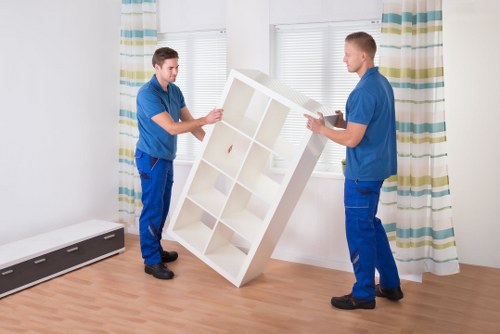
Smaller household moves are a natural fit for this kind of service, particularly when the contents of a room, flat or small property need to be moved without the complexity of a full removal team. We can assist with bed frames, sofas, sideboards, kitchen items and boxed possessions, keeping the emphasis on orderly loading and careful transport. This is especially useful when you want practical support but do not need a large lorry or a long multi-crew operation.
For those comparing move types, it is worth thinking about how much help is needed at each stage. Some customers want loading and delivery only, while others need items moved between rooms, floors or separate addresses. The pages for home moves and house removals can help frame the difference between a simple transfer and a more involved household relocation. Choosing the right level of service usually comes down to access, load size and whether the job includes dismantling or reassembly.
We also recognise that household items are not always uniform. A move may combine fragile pieces, large furniture and stacked boxes that need different handling methods in the same journey. Good preparation means more than just packing; it also means understanding which items need protection, which can be stacked and which should be loaded last for easier unloading. That practical view helps keep the move controlled from collection to delivery.
Office and commercial transport
Not every job is domestic, and the same transport approach can support small office relocations, archived stock transfers and equipment moves where an organised vehicle and loading help are needed. Businesses often use a man and van arrangement when they want to move desks, chairs, monitors, boxed files or lightweight fixtures without booking a large-scale operation. It is a practical option for a change of room, a relocation between sites or a straightforward internal move.
If you are relocating a workspace, it helps to think in terms of item groups rather than individual objects. Computer equipment, paperwork, office furniture and storage items may all need different handling and careful sequencing. The service can be shaped around the route, floor access and the order in which items should be unloaded. For broader workplace moves, office removals and commercial moves give a clearer picture of larger business transport needs and how they may differ from a simple collection job.
Commercial customers often benefit from keeping the process concise and well timed. The aim is usually to reduce disruption, keep items together and move them in a way that suits the working day. Where a business has only a limited set of items to shift, a van-based move may be the most efficient option. It can also be a sensible choice when the destination is nearby, the load is manageable and the emphasis is on getting essential items moved without delay.
Planning a smooth collection

A smooth collection usually starts with clear information about what is being moved, where it is located and how access works at both ends. Photographs can be useful when an item is large or unusually shaped, while a simple list of belongings helps establish whether the vehicle space and lifting help will suit the job. If there are stairs, narrow corridors, parking limitations or restricted loading times, those details should be included early so the move can be planned with fewer surprises.
Good preparation does not need to be complicated. Items that are already boxed, disassembled or grouped together are usually easier to move than scattered belongings, and fragile pieces should be protected before loading begins. If you are unsure how to describe the job, think about the number of items, their approximate size, whether they are heavy and whether there are access constraints. A short note about the building layout can be just as useful as an item list.
Simple moves often go best when the load is ready to go, but there is no need to overcomplicate things. The point is to make the service fit the job, not to make the customer fit a rigid process. When the scope is clear, the van size, route and time required can be matched more sensibly to the work at hand. If you are gathering details for a quote, keep them focused on what must actually be moved.
Typical jobs for a man and van
Typical jobs include single-item transport, room-to-room shifting, second-hand furniture collections, small flat moves and mixed loads that do not justify a specialist lorry. The service also suits practical errands such as taking larger items to a new address after purchase, moving belongings between storage and home, or handling a partial move while the rest of the property stays in place. These jobs are often about convenience as much as capacity.
An ordinary man and van arrangement can be particularly helpful when the timing is important but the quantity of goods is modest. It gives you help with the physical side of the work while keeping the vehicle size appropriate to the load. In some cases, that also means fewer handling stages than a larger move would require. The result is a more direct transfer of belongings without unnecessary complication.
Where a job involves several similar items, grouping them by size and fragility usually makes loading more efficient. Boxes can be stacked in stable sections, soft furnishings can protect harder surfaces, and heavier pieces can be loaded in a sequence that supports safe transport. These are the kinds of details that turn a basic move into an orderly one, especially when access is tight or the destination has limited parking.
About Shadwell

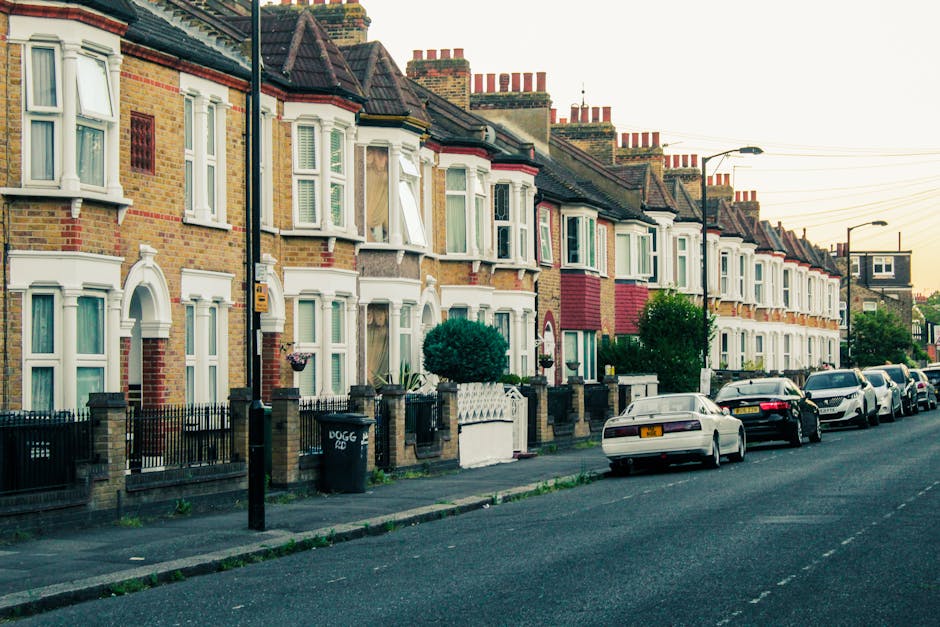
Shadwell is an east London district in the London Borough of Tower Hamlets, positioned between Wapping and Whitechapel and close to the River Thames. Its name is associated with a spring once known as the Shah’s Well, and the area developed from riverside settlement into an important part of London’s dockside economy. Over time, this gave Shadwell a working character shaped by trade, migration and rebuilding. The district sits within the wider East End, but it has its own identity that is closely tied to the river, the former docks and the changes brought by late twentieth-century redevelopment. St George-in-the-East church, the old canalside and streets around Cable Street all form part of the area’s historical pattern, while the DLR station and Overground links reflect its modern transport role. Tobacco Dock lies nearby, as do the open spaces and waterside paths that connect Shadwell to the Thames corridor. The neighbourhood is also notable for its mixed housing, with post-war estates, newer apartment blocks and surviving older streets appearing side by side. Local life draws on the blend of residential streets, transport connections and nearby commercial centres that characterise much of inner east London. As a place, Shadwell combines historic layers with contemporary city living in a compact urban setting.
The area profile matters because it shows how varied the surroundings can be, from older street patterns to newer buildings and transport links. That mix helps explain why people often need transport that can work around limited space, varied access and a range of property types. A practical vehicle-based service can suit those conditions when items need to be moved without overcomplication. In a district shaped by close streets and dense urban change, efficient loading and direct handling are often valued for their simplicity. The neighbourhood remains distinctly urban, with the river and the transport network continuing to define how it connects to the rest of London.
Removal support beyond the vehicle
Some moves need more than transport alone, and it can be useful to combine the van with handling, packing or unloading support depending on the size of the job. If the load contains breakables, loose parts or pieces that benefit from being wrapped before movement, a more considered approach helps protect the items and keeps the move organised. For this reason, customers often think through the journey as a sequence: prepare, load, travel and unload.
Related services can also be relevant where the move has a broader scope than a simple collection. The pages for packing and unpacking services and house movers provide a useful picture of the different support levels that may sit around a home move. If you are shifting a substantial amount of furniture or want help to stage the job in a calmer order, those options can help you decide how much assistance is sensible.
We always advise customers to think about the destination as well as the departure point. A clear drop-off address, reasonable access and any unloading restrictions all help shape the plan. When the receiving property has stairs, limited waiting space or controlled entry, that information can influence how the move is arranged. The more precisely the job is described, the easier it is to match the right approach to it.
Choosing the right service level

Choosing the right level of help often comes down to balancing size, distance and handling needs. A smaller van-based job may suit a few items moved locally, while a fuller removals service is more appropriate if you are relocating a whole property or need several loads coordinated together. Looking at the scale of the work in advance keeps the move aligned with your expectations and reduces the chance of paying for more than you actually need.
There are also cases where the nature of the load matters more than the quantity. A single heavy cabinet, a fragile mirror or a collection of awkwardly shaped belongings can be more challenging than a larger but easier set of boxes. That is why a straightforward description of what is moving is so useful. It lets you decide whether a van-only arrangement, loading help or a broader removals option is the better fit.
If you are ready to discuss the job, contact us for a quotation and tell us what needs moving, where it is going and whether there are access details we should know. You can keep it simple: a brief outline is usually enough to begin. If you are still comparing options, the plain-English summaries on man with van and removal services may help you settle on the right next step.